Mechanic Motor Vehicle
This program develops expertise in engine diagnostics, vehicle servicing, electrical systems, suspension alignment, emissions control, and safety inspection
Mechanic Motor Vehicle
📘 Introduction
The Mechanic Motor Vehicle Trade prepares candidates to become skilled automotive technicians capable of maintaining, repairing, and servicing two-wheelers and four-wheelers. As vehicles evolve with integrated electronics, fuel-efficient engines, and smart systems, trained mechanics are in high demand across the transport, manufacturing, service, and fleet management industries.
Duration: 2 Years (4 Semesters)
🔧 Core Responsibilities
Mechanic Motor Vehicle trainees are trained to:
Service and Repair Engines: Perform overhauling, tuning, and testing of petrol and diesel engines
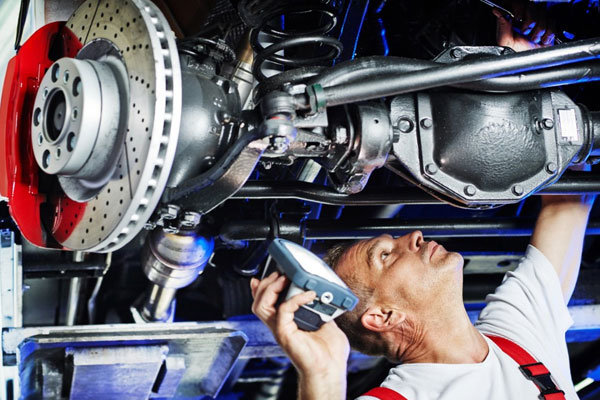
Work on Transmission Systems: Maintain clutches, gearboxes, propeller shafts, and differentials
Handle Electrical Components: Diagnose and repair batteries, lighting systems, ignition coils, starter motors, and alternators
Maintain Brakes & Suspension: Inspect and adjust hydraulic brakes, shock absorbers, struts, and steering systems
Conduct Vehicle Diagnostics: Use scan tools, multimeters, and diagnostic software to troubleshoot faults
Manage Fuel Systems: Service carburetors, fuel injection systems, filters, and tanks
Inspect Emission and Safety Systems: Check catalytic converters, sensors, air filters, and safety belts
Read Technical Manuals and Drawings: Understand service charts, diagrams, and specifications
Use Lifting Equipment and Workshop Tools: Operate jacks, ramps, torque wrenches, and service stations
Perform Preventive Maintenance: Carry out regular servicing to extend vehicle life and reliability
Maintain Workshop Records: Log repairs, maintenance history, and job cards
Practice Environmental Safety: Ensure eco-friendly disposal of oils, fluids, and worn-out parts
One benefit of me88 lies in the mix of the familiar and refreshingly fresh ideas. The personal dashboard consolidates gaming history, bonus overview and account balance in one place. Mobile customer support is always reachable via the integrated live chat. Helpful tutorial videos explain the rules of the live games for newcomers. An internal forum enables exchange between players and casino team. Cashback promotions refund a percentage of losses at the end of the gaming week. Responsible gambling tools include deposit limits, reality checks and self-exclusion. Minimum and maximum deposits are clearly displayed in the cashier section. In comparison with established competitors, the casino proves consistently competitive.